
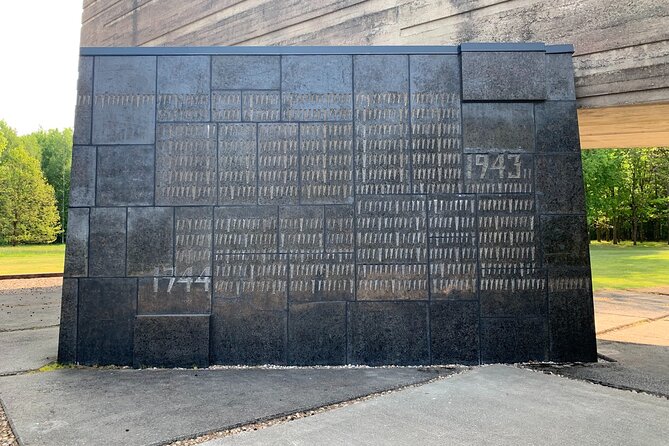
Reviewed · RIGA
Visit of Salaspils Memorial Ensemble
Some places ask for silence. Salaspils does.
This private trip from Riga takes you to the Salaspils Memorial Ensemble, a stark monument complex on the site of a former Nazi camp. I like the small maximum group of eight, which gives the guide room to explain difficult history without turning the visit into a rushed group march. I also like the combination of outdoor monuments and an indoor exhibition with written material and short documentaries. The main drawback is that the visit can feel brief, especially if you want time to read everything or add the optional Rumbula Forest Memorial.
At $72.25 per person, the price is not a bargain for a two to three hour outing, but it includes private transportation, a private guide, bottled water, and hotel pickup in Riga according to the tour arrangements. Guides Kristine and Krista receive especially warm praise for their care and clear explanations. This is a serious history tour, not a light sightseeing break, so plan your mood accordingly.
In This Review
- Key points to know before you book
- Why Salaspils is worth a half-day from Riga
- Crossing the 100 metre wall at Salaspils
- Seven sculptures that shape the visit
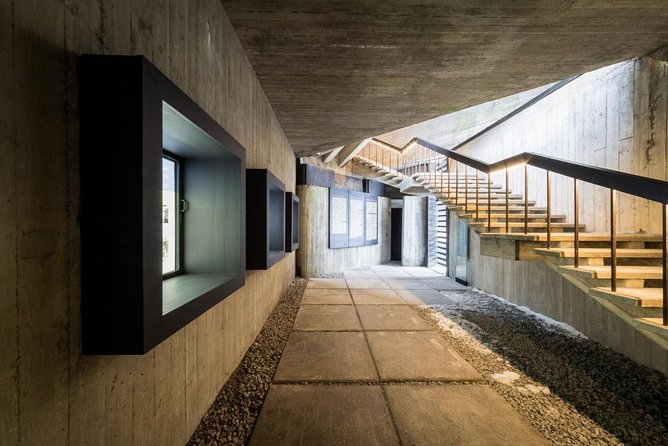
- The indoor exhibition fills in the missing facts
- The optional 25 minute stop at Rumbula Forest
- Private transport makes the timing easier
- Is $72.25 a fair price?
- What the guides add to a difficult subject
- Who should book this experience?
- Booking, cancellation, and practical planning
- My verdict on Salaspils Memorial Ensemble
- FAQ
- Where does the Salaspils Memorial tour begin?
- Where does the tour end?
- How long does the experience last?
- Is transportation included?
- Is hotel pickup included?
- Is the tour offered in English?
- What does the $72.25 price include?
- Is admission to the memorial included?
- Can I visit Rumbula Forest Memorial?
- What is the cancellation policy?
Key points to know before you book
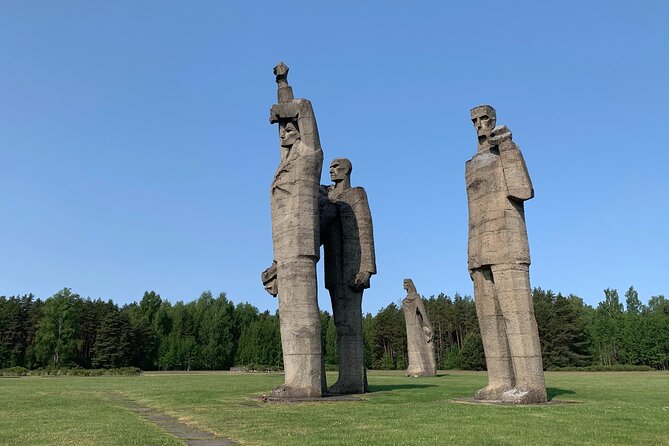
- A private visit to Salaspils: You travel from Riga with a private guide rather than joining a large coach group.
- Seven powerful concrete sculptures: The memorial includes Mother, The Unbroken, The Humiliated, Protest, Red Front, Solidarity, and The Oath.
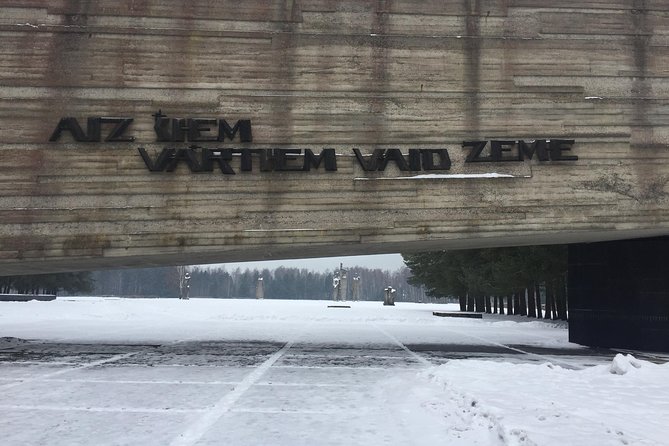
- A 100 metre concrete entrance wall: The words Beyond these gates the land groans set the tone before you reach the main monuments.
- An indoor exhibition adds context: Written information and short documentary films help explain what the outdoor memorial cannot tell you alone.
- Rumbula can be added: The optional 25 minute stop visits one of Europe’s largest Holocaust sites.
- A compact schedule: The main experience lasts about two to three hours and is listed for midday departures between noon and 3 p.m.
Why Salaspils is worth a half-day from Riga
Riga has grand churches, handsome streets, and an easy old town to explore. Salaspils offers something very different. It takes you away from the city to a place shaped by persecution, imprisonment, and remembrance.
The memorial was opened on the former camp territory and is one of Europe’s largest monument complexes commemorating victims of Nazism. That setting matters. You are not looking at a monument in a city square, separated from the ground it represents. You are walking across the former camp site, where the open space and quiet become part of the experience.
I would not choose this trip because it is cheerful or entertaining. I would choose it because it gives you time to confront an important part of Latvian and European history with a guide who can provide context. The private format also helps. Difficult subjects need room for questions, pauses, and honest explanation.
The tour is particularly useful if you have already seen Riga’s main sights and want to understand more about the country’s 20th-century past. It also suits visitors with a focused interest in memorials, wartime history, Nazism, the Holocaust, and the Soviet period.
More Soviet-era history tours:
- Private Day Tour to Sigulda, Turaida Castle and Soviet Bunker
★ 4.5 · 8 reviews - Private Soviet Riga tour
★ 5.0 · 8 reviews - Full-Day Private Trip to Nuclear Missile Base and Secret Soviet Bunker
★ 4.5 · 7 reviews
Crossing the 100 metre wall at Salaspils
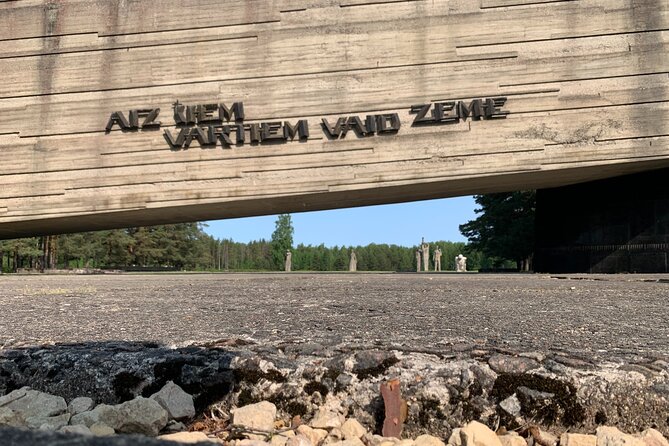
The visit begins at a long concrete wall, 100 metres in length. Its inscription, Beyond these gates the land groans, is direct and severe. You do not need a great deal of decoration to understand that this is a place of suffering.
From there, you walk into the memorial complex and between seven large concrete sculptures. Their scale gives the site a serious, almost physical weight. The sculptures are named Mother, The Unbroken, The Humiliated, Protest, Red Front, Solidarity, and The Oath.
The names are worth paying attention to. They suggest different human responses to oppression: grief, endurance, shame, resistance, unity, and a promise to remember. Your guide can help connect the names and forms to the events represented here. Without that help, you may still feel the force of the place, but you could miss some of its meaning.
The outdoor portion is intentionally quiet. I would resist the urge to rush from one sculpture to the next while taking photographs. The point is the walk itself, with time to look at the concrete forms and absorb the silence.
Because the visit focuses on remembrance, this is not a location for casual joking or loud conversation. Wear practical shoes and be ready for an outdoor walk. The information provided does not specify the exact ground conditions or weather arrangements, so check the forecast before you leave Riga.
Seven sculptures that shape the visit
The memorial’s seven sculptures give the visit a clear structure. You are not simply walking across a large open site. You move through a sequence of symbolic figures, each carrying a separate name and emotional idea.
Mother is likely to feel especially personal, even before your guide explains the work. The title points toward loss, family, and the human cost behind the numbers and historical terms.
The Unbroken brings attention to endurance. It reminds you that victims should not be reduced only to what was done to them. Their strength and dignity remain part of the story.
The Humiliated confronts the degradation imposed on prisoners and victims. This may be one of the more difficult names to sit with, which is exactly why the guide’s tone matters.
Protest and Red Front bring resistance into the memorial’s language. Solidarity shifts the focus toward people acting together, while The Oath points to memory and responsibility after the fact.
You should not expect an elaborate audio-visual production at the sculptures. Their effect comes from size, spacing, names, and the stark setting. The guide is important here because a good explanation can keep the symbols from feeling vague or purely artistic.
The trip’s highest praise goes to the guides’ care and historical explanations. Kristine is singled out for giving one-on-one attention while remaining caring and well prepared. Krista is praised for explaining Salaspils, the memorial, and the Soviet period, while also offering useful ideas for other places to see in Latvia.
The indoor exhibition fills in the missing facts
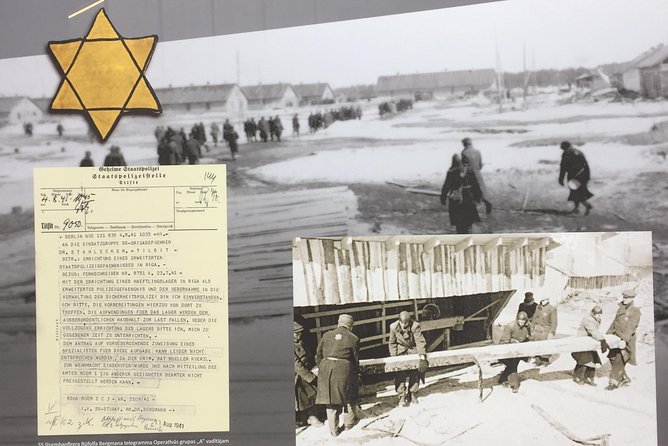
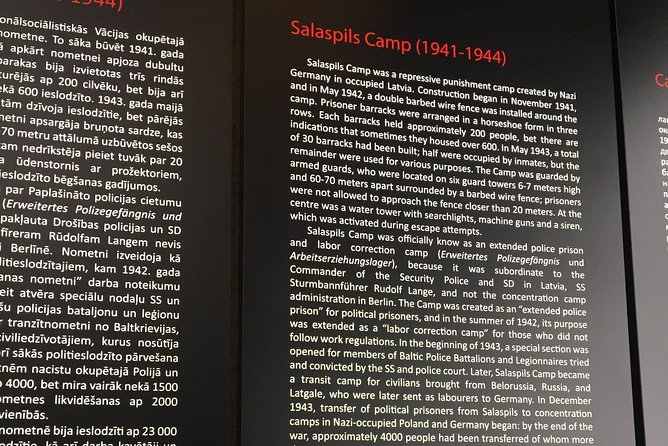
After the outdoor walk, you visit an indoor exhibition. This part is essential because monuments communicate through feeling, while exhibits provide names, dates, documents, and evidence.
The exhibition contains a large amount of written information, along with short video documentaries. If you want to read every panel carefully, the available time may feel tight. The stated duration for the overall experience is about two to three hours, and the main Salaspils stop is listed as one hour.
I would treat the indoor visit as a chance to build a basic framework rather than a full museum study session. Read the sections that most interest you, watch the documentary material, and ask your guide about anything that remains unclear. Since the tour is private, you may have more freedom to shape the conversation than you would in a large scheduled group.
This is also where the tour can become more useful for visitors who know only the broad outline of wartime Latvia. The guides can connect the memorial to wider Latvian history, and the feedback about Krista specifically points to explanations reaching beyond Salaspils and into the Soviet period.
The amount of text may be a drawback for some people. If you prefer quick stops and polished displays, you could find the exhibition demanding. If you value documents and explanation, it will probably be the part that gives the outdoor memorial lasting meaning.
A completely different kind of day out in Riga:
- Riga Old Town walking tour
★ 4.5 · 304 reviews - Latvian food tasting tour at Riga Central market
★ 4.5 · 241 reviews - 2 countries! Hill of Crosses, Rundale Palace and Bauska castle
★ 5.0 · 225 reviews - Discover Riga Bike Tour
★ 5.0 · 166 reviews
The optional 25 minute stop at Rumbula Forest
The tour can include an optional stop at the Rumbula Forest Memorial. This stop lasts about 25 minutes and visits one of Europe’s largest Holocaust sites.
Rumbula adds another difficult place to an already serious outing. You should choose it if you want a broader understanding of Nazi persecution in Latvia and are prepared for another memorial setting. You may prefer to skip it if your priority is a slower, more reflective visit at Salaspils.
The word optional matters. Confirm how the stop fits into your planned schedule when you book or meet your guide. The supplied details do not state an extra charge, so do not assume one way or the other. Ask the provider if the addition affects the total duration or transport plan.
A short stop can be valuable, but it will not allow for extensive reading or a long period of reflection. Think of Rumbula as an additional point of remembrance rather than a second full tour.
Private transport makes the timing easier
The tour begins at St. Peter’s Church on Reformācijas Laukums 1 in central Riga and ends back at the meeting point. Private transportation is included, and the activity is offered in English.
That arrangement saves you from working out the route to Salaspils on your own. It also lets the guide provide information during the drive. One booking included pickup at a ship gate, transport to the memorial, and a later drop-off downtown, but the formal meeting information for this experience gives St. Peter’s Church as the start and finish. If you arrive by cruise ship, ask about pickup before assuming it is included at the port.
The group limit is eight people. That is small enough for a more personal exchange, while still allowing the cost to be shared among several participants. For solo visitors, couples, or families with a strong interest in history, this is a more comfortable setup than a large bus.
The listed opening window is Monday through Sunday from noon to 3 p.m. The experience itself lasts about two to three hours, so check the exact departure time during booking. Midday timing may work well with a morning in Riga, though cruise passengers should allow enough time for the return.
Bottled water is included. Lunch is not, and there is no lunch stop listed. Eat before you leave or plan food after returning to Riga.
Is $72.25 a fair price?
At $72.25 per person, this is best judged as a private guided outing rather than a simple admission ticket. Admission to the memorial stops is listed as free, so the price pays for transport, guiding, planning, and the convenience of leaving Riga without arranging the trip yourself.
The value improves if you are traveling with a small party and want a guide who can answer questions in English. It also improves if you are short on time or do not want to navigate public transportation to Salaspils. The private format means the cost is not just for access to a free site. You are paying to make sense of it.
The value is weaker if you only want to see the monuments quickly. You could feel that two or three hours is a lot of time for a place with free admission, especially if you are not interested in reading the exhibition material.
I would compare the cost with your priorities. If you want a thoughtful history lesson, private transport, and a small group, the price is reasonable. If you want the cheapest possible route, this is not the right choice.
What the guides add to a difficult subject
A memorial about Nazi persecution needs more than facts. It needs careful presentation. The strongest praise goes to Kristine and Krista for being kind, attentive, and able to explain both Salaspils and wider Latvian history.
Kristine is praised for giving personal attention and for handling the subject with care. Krista is praised for clear explanations of the memorial and Soviet-era history, as well as practical recommendations for other sights and trips in Latvia.
Those details matter because the visit could otherwise feel visually powerful but historically thin. The sculptures tell you that something terrible happened. A guide helps explain what, when, and why the place matters.
You should still ask questions. If you want detail about the former camp, the memorial design, the exhibition, or Latvia under Soviet rule, say so. A private tour works best when you treat it as a conversation rather than a lecture.
Who should book this experience?
I would recommend it to:
- People who want a serious account of Latvia’s wartime past
- Visitors interested in memorial design and Holocaust sites
- Cruise passengers or short-stay visitors who want private transport
- Couples, families, and small groups who prefer an English-speaking guide
- Anyone who has already seen central Riga and wants a different side of the country
I would be more cautious if you want a relaxed sightseeing trip, a food-focused outing, or a full museum day. The memorial is emotionally heavy, and the visit may stay with you long after you return to Riga.
Children can participate because most travelers can take part, but the supplied information does not give a recommended age range or describe a child-focused approach. Parents should decide based on the child’s readiness for material about Nazism, imprisonment, and the Holocaust.
The tour allows service animals and is near public transportation, but no detailed accessibility information is provided for the memorial grounds or exhibition. Ask before booking if you need specific mobility arrangements.
Booking, cancellation, and practical planning
You receive confirmation at booking unless you reserve within 12 hours of departure. In that case, confirmation arrives as soon as possible and depends on availability.
Free cancellation is available up to 24 hours before the experience begins. Changes or cancellations made inside that window are not accepted for a refund. The provider may also cancel if the minimum number of participants is not reached, with a different date or experience, or a full refund, offered instead.
The experience is often booked well ahead, with an average booking lead time of 46 days. That is a useful warning if your Riga visit is fixed. Reserve early, especially if you need a particular date or want to coordinate with a ship schedule.
Bring weather-appropriate clothing, comfortable footwear, and patience for the indoor reading. Bottled water is supplied, but lunch is not.
My verdict on Salaspils Memorial Ensemble
I would book this tour if you want to understand Latvia through one of its most difficult places. The seven concrete sculptures, the 100 metre wall, the former camp grounds, and the indoor exhibition create a visit that is both visual and informative.
The private guide is the main reason to choose this option over arranging the journey alone. Kristine and Krista are praised for care, historical detail, and helpful advice about Latvia beyond this single site. The small group limit also gives the experience a more human scale.
The drawbacks are clear: the price is high for a free-admission site, lunch is not included, and the subject is heavy. The optional Rumbula stop may make the outing even more demanding. Still, for a respectful, focused history visit outside Riga, this is one of the better uses of a few hours in Latvia.
FAQ
Where does the Salaspils Memorial tour begin?
The listed meeting point is St. Peter’s Church, Reformācijas Laukums 1, in central Riga.
Where does the tour end?
The activity ends back at the meeting point in Riga.
How long does the experience last?
The complete experience lasts approximately two to three hours. The main Salaspils stop is listed as one hour.
Is transportation included?
Yes. Private transportation from Riga to Salaspils and back is included.
Is hotel pickup included?
The tour information describes hotel pickup in Riga. The formal meeting point is St. Peter’s Church, so confirm the exact pickup arrangement when booking.
Is the tour offered in English?
Yes. English is the listed language for the experience.
What does the $72.25 price include?
The price includes the private guide, private transportation, and bottled water. Lunch is not included.
Is admission to the memorial included?
Admission to the Salaspils Memorial Ensemble and the optional Rumbula Forest Memorial is listed as free.
Can I visit Rumbula Forest Memorial?
Yes. Rumbula Forest Memorial is an optional stop lasting about 25 minutes.
What is the cancellation policy?
You can cancel up to 24 hours before the start time for a full refund. Cancellations or changes made less than 24 hours before the experience are not refunded or accepted.
Recently added around Riga
- Tour from Riga to Vilnius: Bauska Castle, Rundale Palace and The Hill of Crosses★ 5.0 · 3 reviews
- Group Tour: Sigulda and Turaida from Riga.★ 4.5 · 3 reviews
- Fun Walk Private Tour Around Central Market Riga★ 4.5 · 3 reviews
- Hiking Adventure in Gauja National Park – 7 Days★ 5.0 · 3 reviews
- Latvia’s Switzerland and Gauja National Park Tour★ 5.0 · 3 reviews
- Jurmala sunset tour★ 4.5 · 3 reviews
- Riga Medieval Dinner★ 4.0 · 4 reviews
- Private Snowmobile or ATV Safari with Riga Black Balsam Tasting★ 5.0 · 4 reviews